You buy premium bread flour. You follow artisan recipes to the gram. But your sourdough collapses, your brioche turns dense, and your crust lacks that satisfying snap. The culprit? Not your technique—it’s your storage. Most home bakers overlook how humidity, light, and air silently degrade flour quality within days. Enter the bread flour canister: not just a container, but a silent guardian of gluten integrity.
Why Standard Storage Methods Fail
Throwing flour in the original paper bag? That’s like leaving milk on the counter. Paper offers zero barrier against kitchen humidity—especially brutal in summer or coastal climates. Plastic bins without seals? Worse. They trap ambient moisture while offering false security.
And those “airtight” containers from big-box stores? Many have gaskets that degrade after six months—silent leaks you never notice until your dough won’t rise properly.
Bread flour is hygroscopic. It pulls water from thin air. Even 5% extra moisture alters protein behavior. Dough becomes slack. Fermentation stalls. Crumb structure suffers. You blame the yeast—but it’s your storage.
How to Store Bread Flour Like a Pro Baker
Forget guesswork. Real control means managing three variables: oxygen, moisture, and temperature. Here’s how:
Choose the Right Container Material
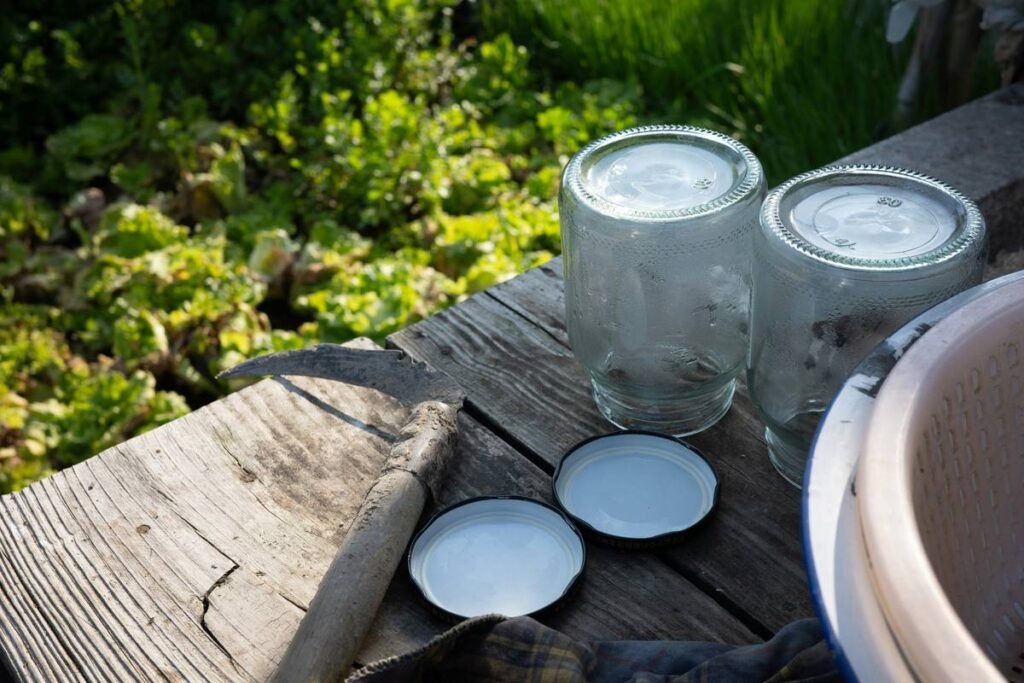
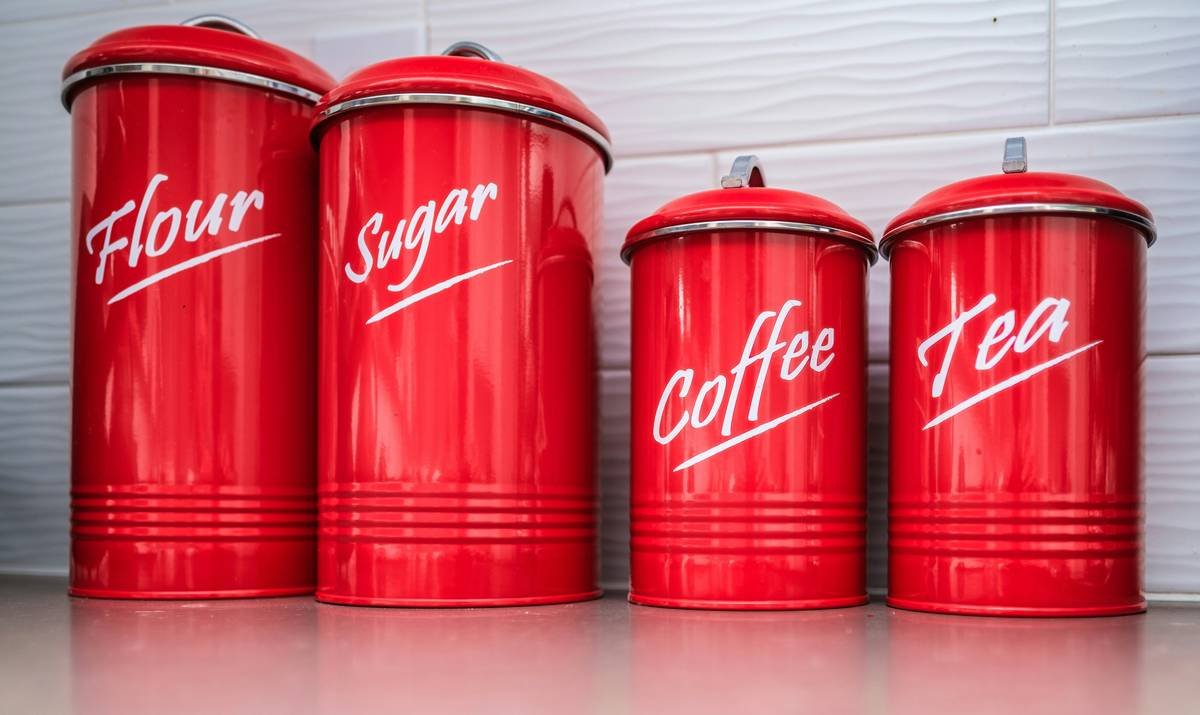
Stainless steel beats plastic for long-term storage—non-porous, odor-resistant, and impervious to pantry pests. Glass works if kept in dark cabinets (UV degrades nutrients). Avoid clear plastic; it yellows and leaches over time.
Seal Integrity Is Non-Negotiable
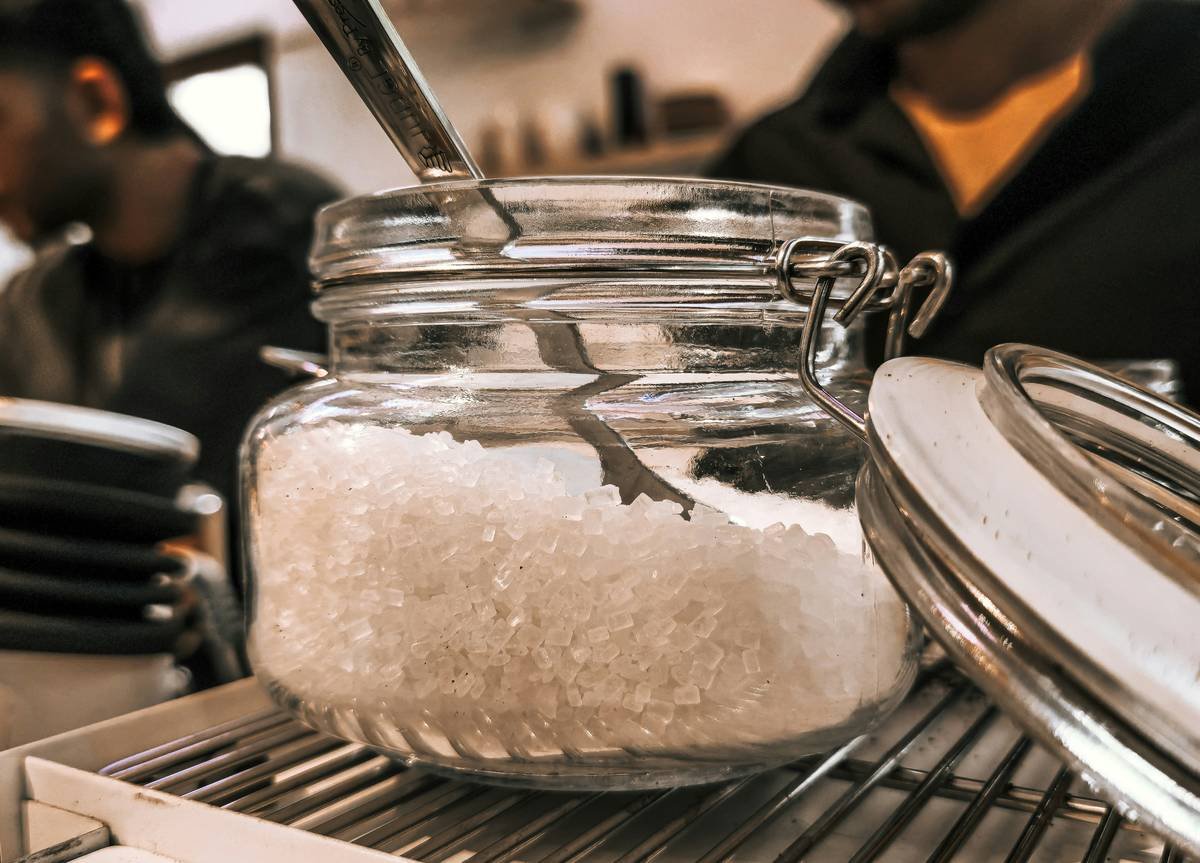
A true airtight seal isn’t about a click—it’s about compression. Look for dual silicone gaskets or clamp-style lids (like those used in commercial bakeries). Test yours: close it with a dollar bill halfway out—if you can pull it free easily, air’s getting in.
Optimize for Usage Frequency
Keep daily-use flour in a smaller bread flour canister on your counter—just enough for 3–4 loaves. Store bulk reserves in vacuum-sealed bags inside freezer-safe tubs. Cold, dark, and inert = peak performance for months.
| Storage Method | Moisture Protection | Pest Resistance | Lifespan (Flour Quality) | Cost (USD) |
|---|---|---|---|---|
| Paper Bag (Original Packaging) | Poor | None | 7–10 days | $0 |
| Basic Plastic Bin (No Seal) | Fair | Moderate | 2–3 weeks | $8–$15 |
| Clamp-Style Bread Flour Canister (Stainless Steel) | Excellent | High | 4–6 months (room temp) 12+ months (cool/dark) |
$35–$60 |
| Vacuum-Sealed + Freezer | Perfect | Total | 18+ months | $20 (starter kit) |

The Industry Secret: Oxygen Scavengers Beat Vacuum Sealing
Most home bakers think “vacuum = best.” Not true. Removing air creates negative pressure that can crush delicate flour particles, compacting them and reducing hydration efficiency later. Commercial mills use oxygen absorber packets—not vacuums—for bulk storage.
Here’s the hack: drop a food-grade oxygen absorber (like those from Dry-Packs) into your bread flour canister before sealing. It chemically binds residual O₂, halting rancidity at the molecular level—without crushing your flour. Result? Fresher taste, stronger gluten development, and consistent hydration every time. No pro bakery will admit this—it cuts their “fresh flour” markup.
Frequently Asked Questions
Do I need a special bread flour canister, or will any airtight container work?
Any truly airtight container helps—but dedicated bread flour canisters feature wider mouths for scooping, calibrated volume markings, and UV-blocking finishes that generic bins lack.
Can I store bread flour in the fridge?
Avoid it. Fridges cycle humidity. Condensation forms when you pull the container out—introducing more moisture than room-temperature storage. Cool, dry pantries win.
How do I know if my flour has gone bad?
Smell it. Rancid flour smells faintly sweet or musty—like old crayons. Visually, it may clump despite sifting. When in doubt, toss it. Stale flour won’t kill you—but it kills crumb structure.