You bought bread flour to bake your best sourdough yet—only to find it lumpy, musty, or crawling with pantry pests. Now you’re wondering: is bread flour bad? Spoilage isn’t just about expiration dates. Oxygen, humidity, and temperature silently degrade quality long before mold appears. But here’s the fix: proper storage in airtight containers—not just tossing it in the cupboard—can extend usability by months.
Why Most Home Bakers Get Bread Flour Storage Wrong
They treat flour like sugar—dump it in a jar and forget it. Big mistake. Bread flour has higher protein (12–14%) than all-purpose, which means more gluten potential—but also more vulnerability to oxidation and moisture absorption. And once rancid oils develop from fat breakdown, no amount of sifting saves your loaf. It’ll taste stale, smell faintly sour, and underperform in your bread machine.
Here’s the reality: ambient kitchen conditions accelerate spoilage. Humidity swells starch granules. Light degrades nutrients. Even “cool, dry places” aren’t cool or dry enough year-round. Think about it—your pantry hits 70°F in summer with 60% relative humidity. That’s a breeding ground for flour mites and enzymatic decay.
How to Store Bread Flour So It Stays Fresh (Step-by-Step)
Forget generic advice. Follow this battle-tested protocol used by artisan bakeries—and yes, it works even if you store flour next to your bread machine.
Step 1: Transfer Immediately After Purchase
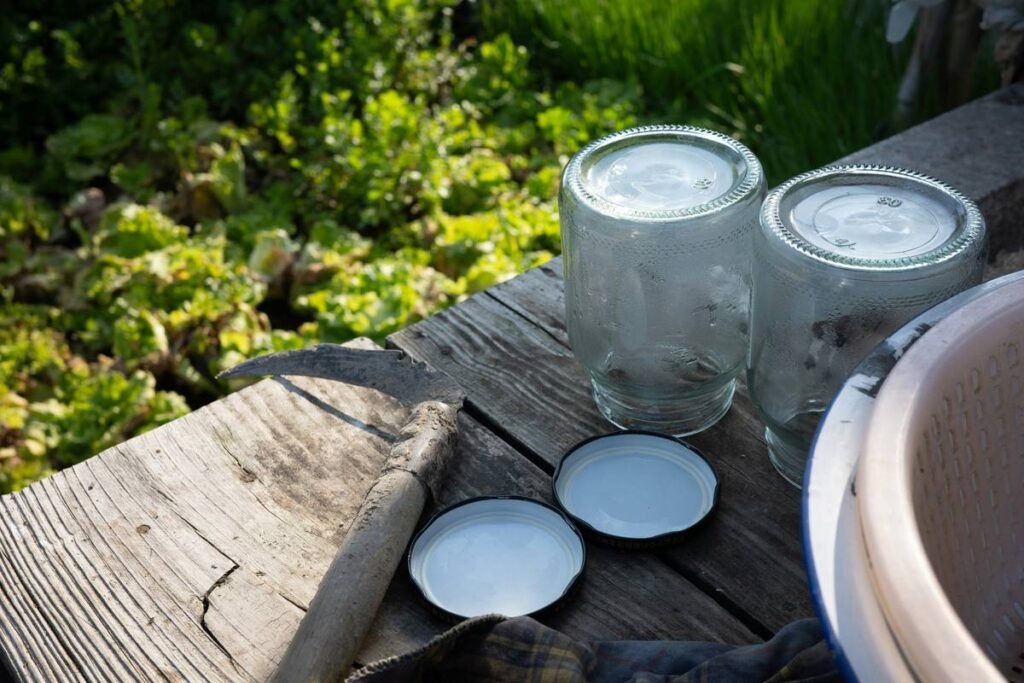
Paper bags offer zero barrier against moisture or odors. Pour flour into a food-grade, airtight container within 24 hours. Glass or BPA-free plastic with a silicone gasket seal is ideal.
Step 2: Choose Your Storage Zone Wisely
Pantry? Fridge? Freezer? Each has tradeoffs. See the table below.
| Storage Method | Max Shelf Life | Best For | Risk Factors |
|---|---|---|---|
| Pantry (airtight) | 3–6 months | Daily bakers; low-humidity climates | Heat spikes, pest infiltration |
| Refrigerator (sealed bag + container) | 6–12 months | Infrequent users; humid regions | Odor absorption, condensation on opening |
| Freezer (double-bagged, vacuum-sealed) | 18–24 months | Buy-in-bulk households; bread machine enthusiasts | Thawing required; texture changes if mishandled |
Step 3: Label & Rotate Stock
Write the purchase date on masking tape stuck to the container. Use older stock first—bread flour isn’t wine. It doesn’t improve with age.
The Industry Secret: Oxygen Absorbers Beat Freezing
Commercial mills don’t rely on freezers—they use oxygen absorbers inside sealed mylar bags. You can too. Drop a 300cc O2 absorber into your flour bin before sealing. It scavenges residual oxygen, halting lipid oxidation and insect hatching. Result? Flour stays neutral in aroma and potent in protein activity for over a year at room temp. This trick costs pennies but outperforms refrigeration for most home setups. But—be warned—never use desiccants (like silica gel) with flour. They pull moisture so aggressively they alter hydration ratios in recipes. Oxygen control, not moisture removal, is the real game-changer.
FAQ
Can you still use bread flour past its expiration date?
Yes—if stored properly and shows no off smells, discoloration, or bugs. Expiration dates are conservative. Test by smelling and checking texture.
What does bad bread flour smell like?
Rancid, musty, or like old crayons. Fresh flour should be neutral or faintly wheat-like. If it smells sour or oily, toss it.
Does freezing bread flour affect baking performance?
Only if not handled correctly. Always bring frozen flour to room temperature before measuring. Cold flour absorbs less water, throwing off dough hydration.