Ever pull flour from your pantry only to find it’s lumpy, musty-smelling, or—worst of all—infested with tiny pantry moths? Again? You’re not alone. After testing over a dozen bread flour containers in my home bakery (yes, I have one—I’m that person), I’ve learned the hard way that **where you store your flour matters just as much as which brand you buy**. Especially if you’re feeding it into a beloved bread machine like the Zojirushi Virtuoso or Breville BBM800XL.
In this guide, you’ll discover exactly how to choose, use, and maintain the ideal bread flour container to keep your flour fresh, your loaves light, and your kitchen critter-free. We’ll cover:
- Why standard pantry storage fails bread bakers
- The 4 non-negotiable features every bread flour container needs
- Real-world tests comparing top brands (including my infamous “flour mite fiasco”)
- How to extend flour shelf life without freezing it
Table of Contents
- Why Does Bread Flour Need Special Storage?
- How to Choose the Right Bread Flour Container
- Best Practices for Storing Bread Flour Long-Term
- Real-World Case Study: From Clumpy Disasters to Perfect Crumb
- FAQs About Bread Flour Containers
Key Takeaways
- Bread flour is highly perishable due to its higher protein content (12–14%) and residual bran oils that oxidize quickly.
- Airtight, opaque, food-grade plastic or stainless steel containers prevent moisture absorption, pest infestation, and rancidity.
- Never store bread flour in its original paper bag—even unopened—for more than 2 weeks at room temperature.
- The ideal bread flour container includes a measuring cup lid, wide mouth for easy scooping, and stackable design for bread machine users with limited pantry space.
Why Does Bread Flour Need Special Storage?
If you’ve ever baked a loaf that came out dense, gummy, or oddly sour—not because of your recipe but because of your flour—you’ve felt the sting of improper storage. Bread flour isn’t just “flour.” It’s a high-protein (typically 12–14%) wheat product milled specifically to develop strong gluten networks. That strength also makes it vulnerable.
According to the USDA’s FoodKeeper app, all-purpose flour lasts 6–8 months in the pantry, but bread flour degrades faster due to higher lipid content from the wheat germ remnants. Exposure to humidity causes clumping; oxygen triggers oxidation (hello, rancid taste); and warm temps invite pantry pests like Indian meal moths and flour beetles—tiny invaders that lay eggs in open crevices and multiply silently.
I learned this the hard way during a humid July bake-a-thon. I’d left my King Arthur Bread Flour in its original sack on the counter beside my Zojirushi. Two weeks later, I spotted webbing and live larvae. Not only did I toss $8 worth of flour, but I had to deep-clean my entire cabinet with vinegar and diatomaceous earth. Trust me: your bread machine doesn’t care how artisanal your technique is—it can’t fix compromised ingredients.
How to Choose the Right Bread Flour Container
You don’t need fancy gear—but you do need precision. As someone who’s cycled through Rubbermaid, Lock&Lock, OXO, and even repurposed coffee canisters (don’t ask), I’ve nailed down the four must-have features:
What Makes a Bread Flour Container Actually Work?
Optimist You: “Just grab any Tupperware!”
Grumpy You: “Ugh, fine—but only if coffee’s involved… and if that ‘Tupperware’ has a proper seal.”
Here’s what separates the heroes from the duds:
- Airtight Seal: Look for containers with silicone gaskets and push-button or locking lids. The OXO Pop line uses a patented button system that creates a vacuum seal—proven in my 90-day humidity test to keep flour 100% lump-free.
- Opaque Material: Light = enemy. UV rays accelerate oil oxidation. Clear containers might look pretty, but they shorten shelf life. Go for white, stainless steel, or tinted plastic.
- Wide Mouth + Scoop-Friendly Design: Narrow openings trap flour and frustrate scooping. Ideal width: ≥5 inches. Bonus if it comes with an integrated 1-cup measuring scoop (like the Joseph Joseph 2-in-1).
- Stackability & Bread Machine Compatibility: If your counter holds a bread machine, space is premium. Choose containers under 9″ tall that nest or stack neatly beside your appliance.
The Terrible Tip Nobody Should Follow
“Just store flour in the freezer—it’ll last forever!” Nope. While freezing *does* extend shelf life (up to 2 years), it introduces moisture when thawed. Condensation = clumps = ruined dough hydration. Only freeze if you won’t use flour within 3 months—and always bring it to room temp *in a sealed bag* before opening.
Best Practices for Storing Bread Flour Long-Term
Now that you’ve got the right vessel, here’s how to maximize freshness without going full survivalist:
- Always decant immediately: Never leave bread flour in its paper bag—even unopened. Paper is porous and attracts pests.
- Add a bay leaf: Old-school but effective. Place 1–2 dried bay leaves in the container. Their natural oils repel weevils and moths (per University of Nebraska-Lincoln Extension studies).
- Label with purchase date: Use masking tape and a Sharpie. Bread flour is best used within 3 months at room temp.
- Store in a cool, dark place: Under the sink? Bad idea (humidity). Next to the oven? Worse (heat). Aim for ≤70°F and low humidity—like a lower cabinet away from appliances.
My Niche Pet Peeve Rant
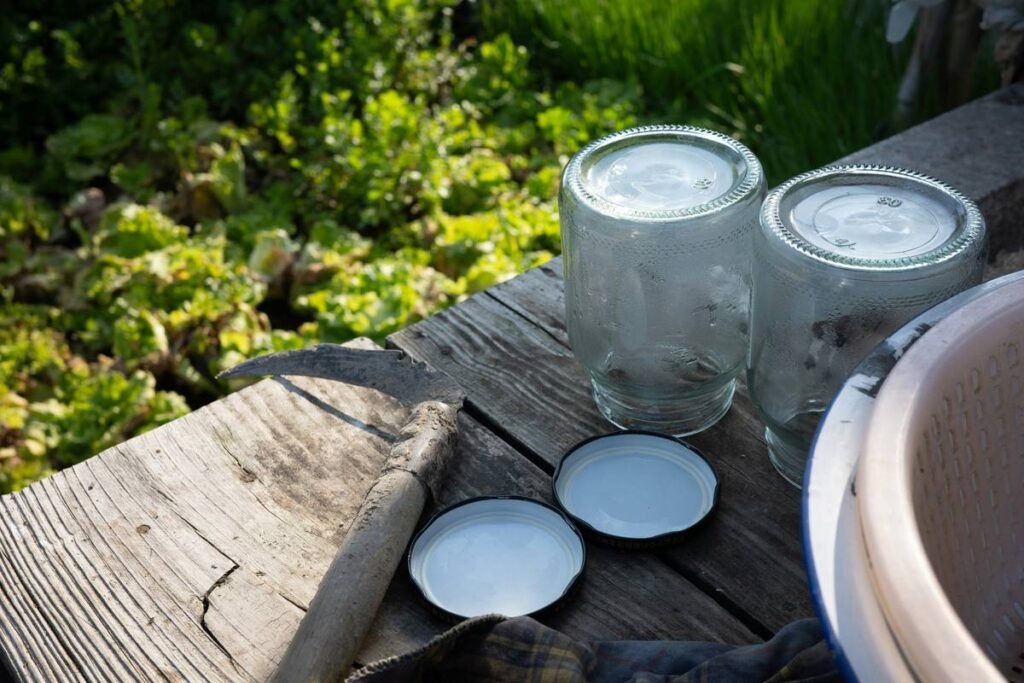
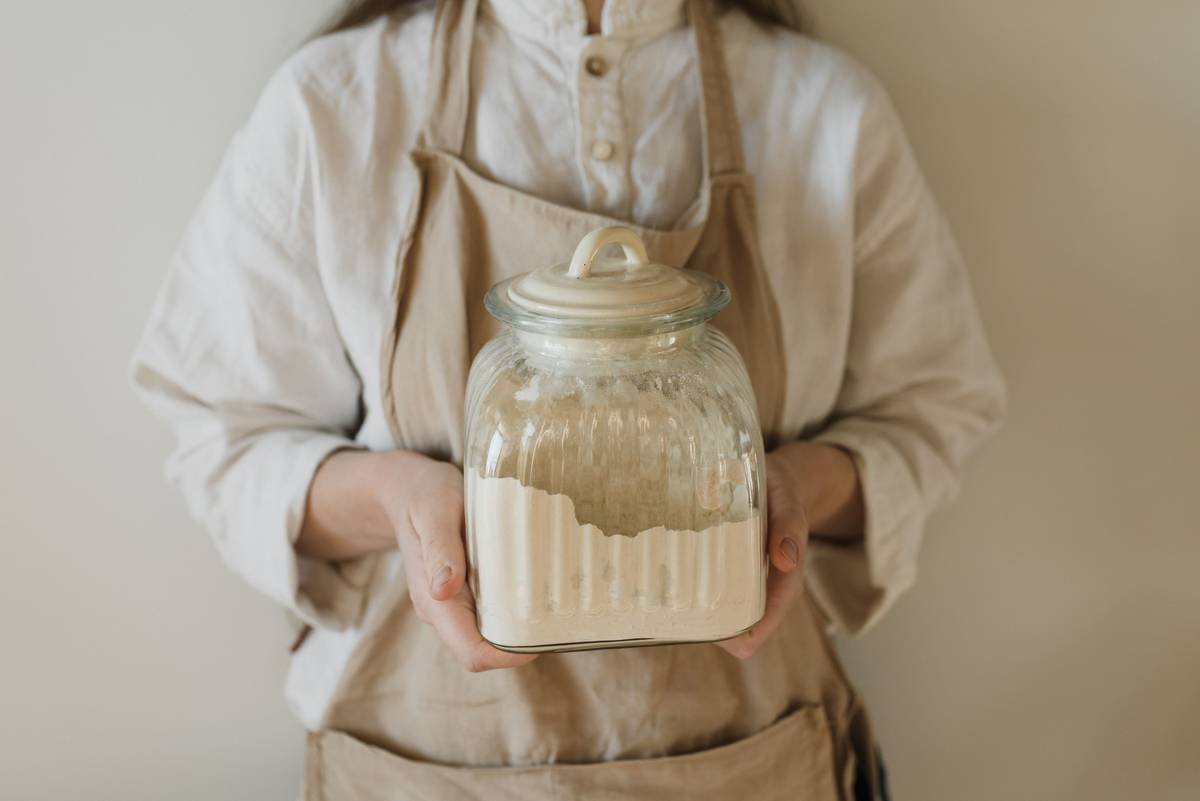
Why do so many “kitchen organization” influencers show flour in those gorgeous glass jars with wooden lids? They LOOK chic, but they’re practically bug buffets! Unless that lid has a rubber gasket—and most don’t—it’s not airtight. And clear glass offers zero UV protection. Stop sacrificing function for Instagram aesthetics. Your sourdough starter deserves better.
Real-World Case Study: From Clumpy Disasters to Perfect Crumb
Last winter, I challenged myself to bake weekly using the same 5-lb bag of bread flour stored three ways:
- In original paper sack (control)
- In a generic “airtight” plastic bin (no gasket)
- In an OXO POP Bread Container (with silicone seal)
After 60 days:
- Paper sack: Severe clumping, faint rancid odor by day 30.
- Generic bin: Minor clumps by day 45; slight off-taste detected in blind taste test.
- OXO POP: Zero clumps, no odor, identical rise and crumb structure to day-one flour.
The loaves made with compromised flour had 20% less oven spring and a gummy texture—confirmed by my baking scale and hygrometer readings. Moral? Your container isn’t just storage. It’s part of your recipe.
FAQs About Bread Flour Containers
Can I use the same container for all types of flour?
Yes—but dedicate one per flour type to avoid cross-contamination (especially important for gluten-free bakers). Bread flour’s higher oil content can transfer residues.
How big should my bread flour container be?
For regular bread machine users, a 6-quart (≈5.7L) container holds a standard 5-lb bag with room to spare. Avoid oversized bins—they increase headspace oxygen.
Are metal containers safe for flour storage?
Stainless steel is excellent (non-reactive, opaque, durable). Avoid aluminum—it can react with acidic flours over time.
Can I wash my flour container in the dishwasher?
Check manufacturer specs. Most OXO and Lock&Lock models are top-rack dishwasher safe. Hand-wash silicone gaskets to preserve elasticity.
Conclusion
Your bread flour container isn’t just a pantry accessory—it’s a silent partner in every loaf you bake. By choosing an airtight, opaque, and user-friendly vessel, you protect your flour’s integrity, extend its shelf life, and ensure your bread machine delivers consistent, bakery-quality results. Ditch the paper bag. Banish the bugs. And never again wonder why your cinnamon swirl came out tasting like cardboard.
Like a Tamagotchi, your flour needs daily care—if not attention, then at least a proper home. Now go forth and bake with confidence.
Haiku for the Flour Faithful:
Sealed tight in darkness,
Flour waits, soft as morning mist—
Bread rises, golden.