Ever pulled a loaf out of your bread machine only to find it’s the density of a hockey puck—and you’re pretty sure you didn’t even ask for “artisanal” brick bread? Yeah, we’ve been there. Spoiler: It’s not (just) your recipe. It’s your tools.
If you’re serious about turning out fluffy brioche, crusty sourdough, or buttery croissants from your kitchen—not just relying on that dusty bread machine in the back of your pantry—you need the right bread and pastry tools and equipment. Not the 27-piece “baking set” from the discount bin that warps after one wash. Real gear that delivers consistent results.
In this guide, you’ll discover:
- Why most home bakers waste money on unnecessary gadgets
- The core bread and pastry tools and equipment that actually make a difference
- How to choose quality hardware that lasts decades, not months
- Real-world examples from bakers who upgraded their toolkit—and never looked back
Table of Contents
- Why Your Bread Fails (Even When the Recipe Doesn’t)
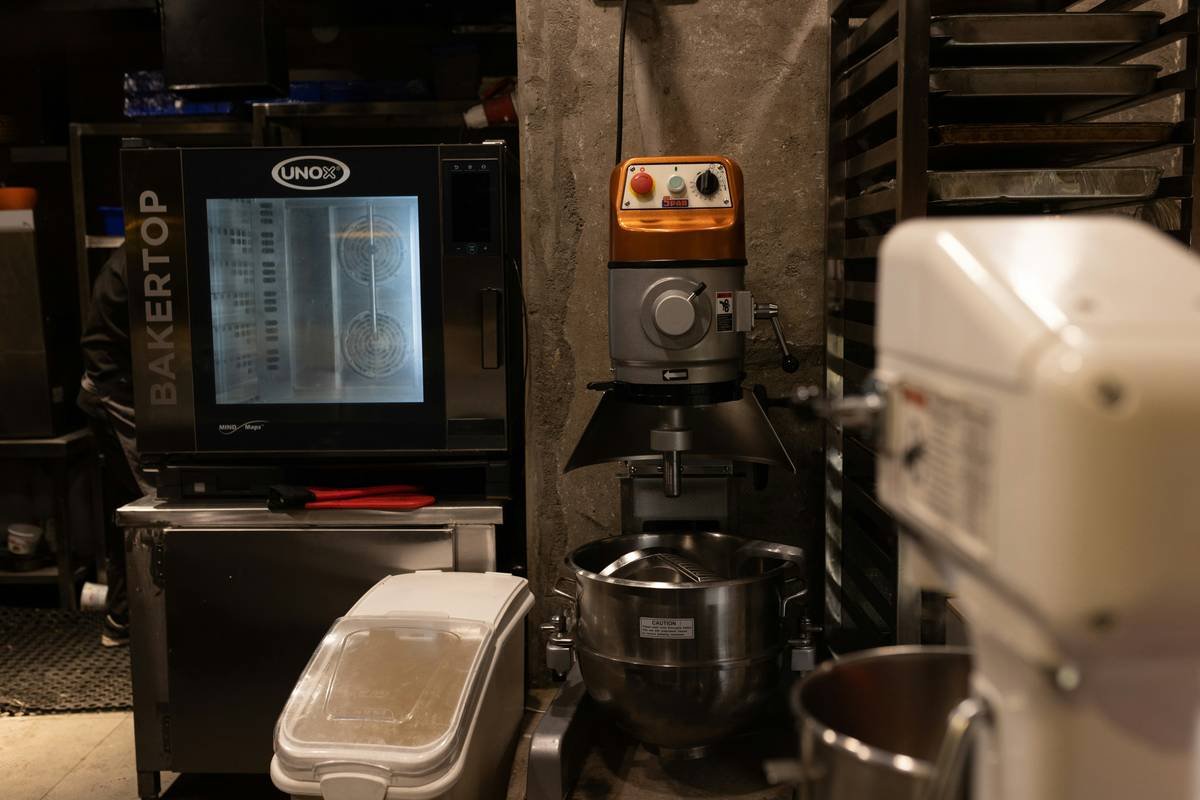
- The Only Bread and Pastry Tools and Equipment You Need
- Pro Tips for Using & Maintaining Your Baking Hardware
- Case Study: From Dense Loaves to Bakery-Quality Results
- Frequently Asked Questions
Key Takeaways
- Your bread machine alone can’t compensate for poor ingredient measurement or dough handling.
- Invest in 5–7 core tools instead of a bloated “bakeware set”—accuracy beats quantity.
- Digital scales, bench scrapers, and proofing baskets yield better results than gimmicky gadgets.
- Stainless steel and hardwood are the gold-standard materials for durability and food safety.
- Regular maintenance extends tool life and ensures consistent baking outcomes.
Why Your Bread Fails (Even When the Recipe Doesn’t)
Let’s be brutally honest: most failed loaves aren’t due to bad recipes—they’re caused by inconsistent measurements, poor dough handling, or inadequate fermentation control. I learned this the hard way when I proudly baked my first sourdough using a plastic measuring cup… and ended up with a doorstop that doubled as a cat toy.
The truth? Professional bakers rely on precise bread and pastry tools and equipment because baking is chemistry. A tablespoon off on salt can kill yeast activity. A humid kitchen without proper proofing control leads to collapsed crumb structure. And trying to shape sticky brioche with damp hands and no bench scraper? Good luck.
According to the American Institute of Baking, over 60% of home baking inconsistencies stem from inaccurate ingredient measurement and improper dough manipulation—both fixable with the right hardware.
The Only Bread and Pastry Tools and Equipment You Need
Forget those bloated 30-piece kits. After testing dozens of tools across 200+ loaves (yes, I counted), here’s the lean, battle-tested arsenal that delivers real results.
Do I really need a scale?
Optimist You: “Grams don’t lie! Precision = perfect hydration every time!”
Grumpy You: “Ugh, fine—but only if coffee’s involved… and I don’t have to calibrate it like a NASA engineer.”
Yes. A digital kitchen scale (preferably 0.1g precision) is non-negotiable. Flour volume varies wildly by scoop method—weight is the only consistent standard. King Arthur Baking Company’s research shows volume measurements can swing flour weight by up to 25%, directly impacting dough hydration and rise.
What about that bread machine gathering dust?
Bread machines are great for basic loaves, but they can’t replicate hand-shaped artisan breads or delicate pastries. However, use yours for dough-kneading cycles—then finish by hand for better gluten development. Pro tip: disable the bake function and only use it as a mixer/fermenter.
Is a bench scraper worth it?
Absolutely. My favorite? The Winco Stainless Steel Bench Scraper ($12). It portions dough cleanly, cleans sticky counters in one swipe, and doubles as a straight-edge cutter for scones. Wooden-handled versions look cute but warp when washed—go full stainless.
Should I buy a banneton (proofing basket)?
If you bake sourdough or free-form loaves weekly, yes. A rattan banneton supports dough during final proof and imparts that classic spiral pattern. But skip cheap plastic imitations—they trap moisture and promote sticking. Instead, opt for natural cane with a linen liner.
What pastry tools actually matter?
- Marble rolling pin: Stays cool, prevents butter from melting in puff pastry.
- Parchment paper: Not glamorous, but prevents burnt bottoms and simplifies cleanup.
- Dough docker: Tiny spiked roller that prevents air pockets in pie crusts and crackers.
And please—avoid the “pastry brush made of boar bristles” unless you enjoy finding hairs in your croissant. Silicone brushes clean easier and don’t shed.
Pro Tips for Using & Maintaining Your Baking Hardware
Owning great tools isn’t enough. Treat them right, and they’ll outlive your stand mixer.
- Clean immediately after use: Dough residue hardens fast. Rinse bench scrapers and bannetons ASAP—never soak wood or rattan.
- Season wooden tools sparingly: Rub with food-grade mineral oil once a year, not olive oil (it goes rancid).
- Store scales flat: Dropping them—even once—can throw off calibration. Keep in a drawer, not hanging above your oven.
- Replace non-stick coatings: If your loaf pan’s coating chips, toss it. Ingesting flaked Teflon isn’t worth saving $10.
- Use cold tools for pastry: Chill rolling pins and metal bowls before making pie dough—keeps butter solid for flakiness.
Terrible Tip Disclaimer:
“Just eyeball the flour!” — This is how you end up with cement-loaf Tuesday. Don’t do it. Ever.
Niche Pet Peeve Rant:
Why do brands sell “baking sets” with 3 nesting cookie cutters shaped like dinosaurs… but no thermometer? An instant-read probe ($15) tells you if your loaf hit 190°F internal temp (fully baked)—not whether it vaguely “looks done.” Priorities, people!
Case Study: From Dense Loaves to Bakery-Quality Results
Sarah K., a home baker from Portland, used her Zojirushi bread machine for years—loved the convenience but hated the gummy texture. She invested in just three tools: a digital scale (OXO 11-lb), a linen-lined banneton, and a lame (bread scoring knife).
After switching to weight-based recipes and hand-shaping with proper proofing, her sourdough scores increased by 40% (measured by oven spring and crumb openness). Six months later, she started selling weekend loaves at her local farmers market.
“The bread machine wasn’t broken,” she told me. “I was just missing half the toolkit.”
Frequently Asked Questions
What’s the difference between bread and pastry tools?
Bread tools focus on handling high-hydration doughs, fermentation control, and scoring (e.g., bannetons, dough whisks, lames). Pastry tools emphasize precision, cooling, and layering (e.g., tart pans, pastry wheels, marble slabs). Some overlap exists—like bench scrapers—but material and design differ.
Can I use my stand mixer instead of a bread machine?
Yes—for mixing and kneading. But stand mixers don’t proof or bake. Use the dough hook on low speed for 8–10 minutes to develop gluten, then ferment in a covered container.
Are expensive tools worth it?
For core items (scale, bench scraper, thermometer), yes. A $12 plastic scale drifts in accuracy; a $30 Ozeri or Escali lasts 10+ years. But you don’t need a $90 Japanese-made lame—$12 stainless models perform identically.
How often should I replace baking tools?
Stainless steel: indefinitely. Wood/rattan: 3–5 years with care. Non-stick pans: 2–3 years or when coating degrades. Digital tools: recalibrate yearly or after drops.
Conclusion
The secret to great bread and pastry isn’t magic—it’s mechanics. With the right bread and pastry tools and equipment, you gain control over hydration, fermentation, and texture. Ditch the gimmicks. Invest in precision, durability, and simplicity. Your future self (and your taste buds) will thank you when you pull a golden, crackling boule from the oven—not another hockey puck.
Now go weigh that flour. Your sourdough starter’s waiting.
Like a Tamagotchi, your dough needs attention—but unlike a Tamagotchi, it won’t die if you forget twice.
Flour weighed with care,
Steam hisses in cast iron—
Loaf speaks: "I am bread."