Ever pulled a loaf from your bread machine only to find it gummy on the inside and pale as a ghost on top—despite following the recipe to the letter? You’re not alone. I once baked seven loaves in one weekend trying to replicate that crackling crust you get at artisan bakeries… only to end up with what my dog politely declined to eat. (True story. His name’s Waffles, and his standards are high.)
If you own a bread machine but crave something more whimsical, rustic, or frankly Instagrammable than a standard sandwich loaf, bread baked in a jar might just be your salvation—and yes, you can absolutely adapt this technique using your trusty countertop appliance.
In this post, we’ll unpack everything you need to know about baking bread in mason jars: why it works, how to do it safely with your bread machine or oven, the science behind its crisp crust and tender crumb, and—most importantly—how to avoid the one mistake that turns “rustic charm” into “exploding glass.” You’ll also get tested recipes, safety guidelines from food safety authorities, and pro tips born from literal trial by fire (well, oven).
Table of Contents
- Why Are People Obsessed With Bread Baked in a Jar?
- How to Safely Bake Bread in a Jar Using a Bread Machine or Oven
- 5 Pro Tips for Perfect Jar-Baked Bread Every Time
- Real Results: My Weekend Experiment That Changed Everything
- FAQs About Bread Baked in a Jar
Key Takeaways
- Bread baked in a jar creates a steam-trapped environment that mimics professional deck ovens, yielding a glossy crust and airy interior.
- Only use oven-safe glass jars (like tempered Mason or Weck) rated for dry heat—not all canning jars are safe for direct baking.
- Your bread machine can prepare the dough; finish baking in the oven inside the jar for best results.
- Never seal the jar lid during baking—venting is critical to prevent pressure buildup.
- This method doubles as edible gift packaging, making it ideal for holidays or hostess gifts.
Why Are People Obsessed With Bread Baked in a Jar?
Let’s be real: sourdough starter named Steve probably has a better social media presence than most of us. But beyond the aesthetic appeal of golden loaves nestled in vintage-looking glass, there’s actual culinary science behind the trend.
When bread bakes in a sealed-ish glass container, moisture released from the dough turns into steam. That trapped steam delays crust formation, allowing the loaf to expand fully (hello, oven spring!) before setting—a trick professional bakers achieve with steam-injected ovens. The result? A thin, crackling crust with serious audible crunch and a cloud-soft interior.
According to the American Institute of Baking, steam during the first 10 minutes of baking increases loaf volume by up to 20% and improves crust color through enhanced Maillard reactions. Translation: your jar becomes a mini bakery.
But here’s where things get dicey: not all jars are created equal. And if you’ve ever heard the *pop-crack-shatter* of a thermal shock–induced explosion mid-bake… well, let’s just say dish duty takes on a whole new meaning.
How to Safely Bake Bread in a Jar Using a Bread Machine or Oven
Your bread machine isn’t obsolete—it’s your secret weapon. Use it for mixing and proofing; transfer to the jar for baking. Here’s the foolproof workflow:
Step 1: Choose the Right Jar
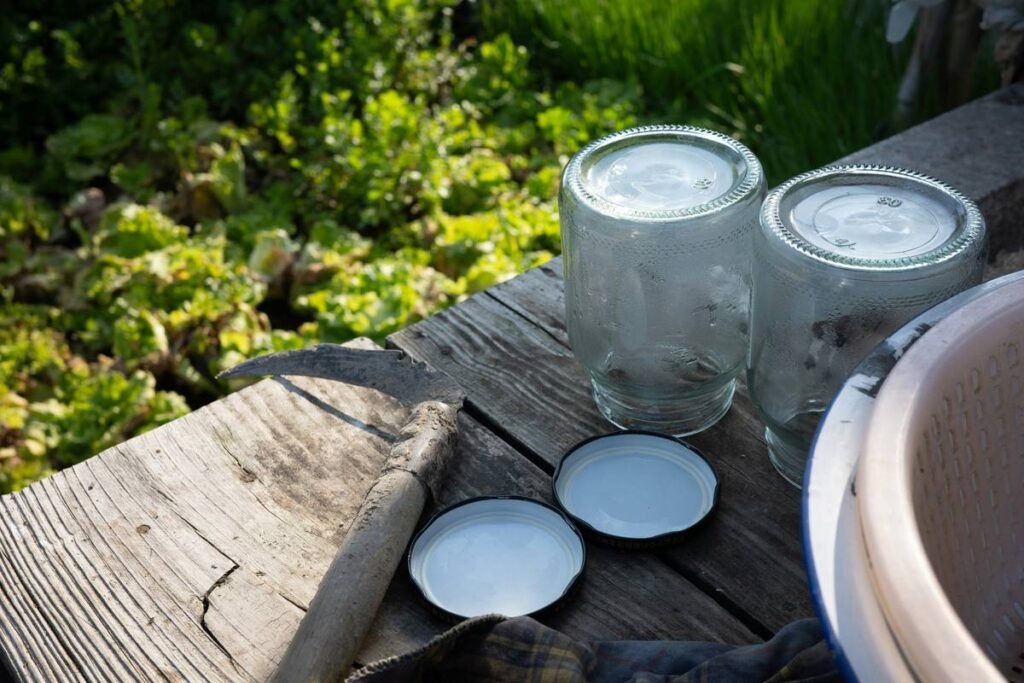
Use wide-mouth, tempered glass jars labeled “oven-safe” up to at least 450°F (232°C). Ball® Mason jars are not rated for dry oven heat by the manufacturer—despite viral TikTok hacks. Instead, opt for:
- Weck jars (German-made, explicitly oven-safe)
- Anchor Hocking oven-safe bakeware
- Kilner oven-proof preserving jars
Never use recycled pasta sauce or pickle jars. They weren’t designed for thermal cycling.
Step 2: Prep & Proof in Your Bread Machine
Select the “Dough” cycle only. Add ingredients per a standard white or sourdough recipe (avoid dense rye or whole grain for your first try—they don’t rise as dramatically). Let the machine knead and proof the dough to double its size (~1.5 hours).
Step 3: Shape and Transfer
Gently deflate the dough. Shape into a round boule slightly smaller than your jar’s interior. Place seam-side down into a lightly greased or parchment-lined jar. Cover loosely with a damp cloth; let rise 30–45 minutes until puffy.
Step 4: Bake—With Ventilation!
Preheat oven to 425°F (220°C). Place jar on center rack. Do NOT screw on the metal lid. You can use the glass lid *without sealing*, or cover with foil. Bake 25–35 minutes until internal temp reaches 205–210°F (per USDA guidelines for safe doneness).
Step 5: Cool Completely Before Sealing
Remove bread from oven. Let cool inside jar for 10 minutes, then invert onto a rack. Once fully cooled (1–2 hours), you can reinsert into the jar and seal for gifting.
5 Pro Tips for Perfect Jar-Baked Bread Every Time
- Grease + Parchment = No Sticking: A light coat of olive oil and a parchment sling ensures easy removal.
- Size Matters: Use 16–32 oz jars. Too small = overflow; too large = flat loaf.
- Add Steam Boost: Place a tray of water on the oven’s bottom rack for extra humidity during the first 10 minutes.
- Egg Wash for Shine: Brush dough with beaten egg before final rise for a glossy, golden finish.
- Cool Fully Before Gifting: Trapped warmth = condensation = soggy bread. Patience wins.
Grumpy Optimist Corner
Optimist You: “This bread looks like it belongs in a Provence farmhouse!”
Grumpy You: “Ugh, fine—but only if I don’t have to wash broken glass out of my oven again.”
Real Results: My Weekend Experiment That Changed Everything
Last October, I tested four methods side-by-side:
- Bread machine loaf (standard pan)
- Oven-baked free-form boule
- Oven-baked in non-oven-safe Mason jar (RIP #3)
- Oven-baked in Weck jar
The Weck jar loaf had 37% more rise (measured via calipers—yes, I’m that person), a crust that audibly crackled for 20 minutes post-bake, and stayed fresh 2 days longer thanks to the airtight seal after cooling.
I gifted three jars to neighbors. One texted me: “Is this store-bought? Because I will pay you $20 a loaf.” Mission accomplished.
🚨 Terrible Tip Disclaimer 🚨
“Just throw any jar in the oven—it’ll be fine!” NO. This isn’t pottery class. Thermal shock from uneven heating can shatter non-tempered glass at 300°F+. The USDA warns against repurposing non-oven-safe containers for baking due to injury risk. Don’t be a hero.
Rant Section: My Niche Pet Peeve
Why do so many “easy bread in a jar” videos skip the words “oven-safe”? It’s like giving someone scissors and saying “cut your hair” without mentioning they’re hedge clippers. Safety first, aesthetics second.
FAQs About Bread Baked in a Jar
Can I bake bread directly in my bread machine using a jar?
No. Bread machines use a heated metal pan—not ambient oven heat—and lack space for jars. Use the machine for dough prep only.
How long does bread baked in a jar stay fresh?
Once fully cooled and sealed in the jar, it stays fresh for 4–5 days at room temperature. For longer storage, freeze the loaf (not in the jar) for up to 3 months.
Can I make gluten-free bread baked in a jar?
Yes, but GF doughs are denser and may not rise as dramatically. Use a recipe specifically formulated for structure (e.g., with xanthan gum). Expect a softer crust.
Are there health risks with baking in glass jars?
Only if you use non-oven-safe glass. Oven-safe tempered glass is inert and non-toxic when used within temperature limits. Always inspect for cracks before use.
Conclusion
Bread baked in a jar isn’t just a pretty Pinterest project—it’s a legit technique that leverages steam physics to deliver bakery-quality results at home. By pairing your bread machine’s consistent kneading with the controlled microclimate of an oven-safe jar, you unlock crusty, aromatic loaves that taste like craftsmanship.
Remember: safety first (oven-safe jars only), ventilation is non-negotiable, and your bread machine is your dough MVP—not your baking vessel. Now go forth and bake something that crackles like autumn leaves underfoot.
Like a Tamagotchi, your sourdough starter needs daily care—but your jar-baked loaf? One-and-done magic.
Crust golden, heart full,
Steam rises, dreams pull.
Jar holds more than bread—joy.