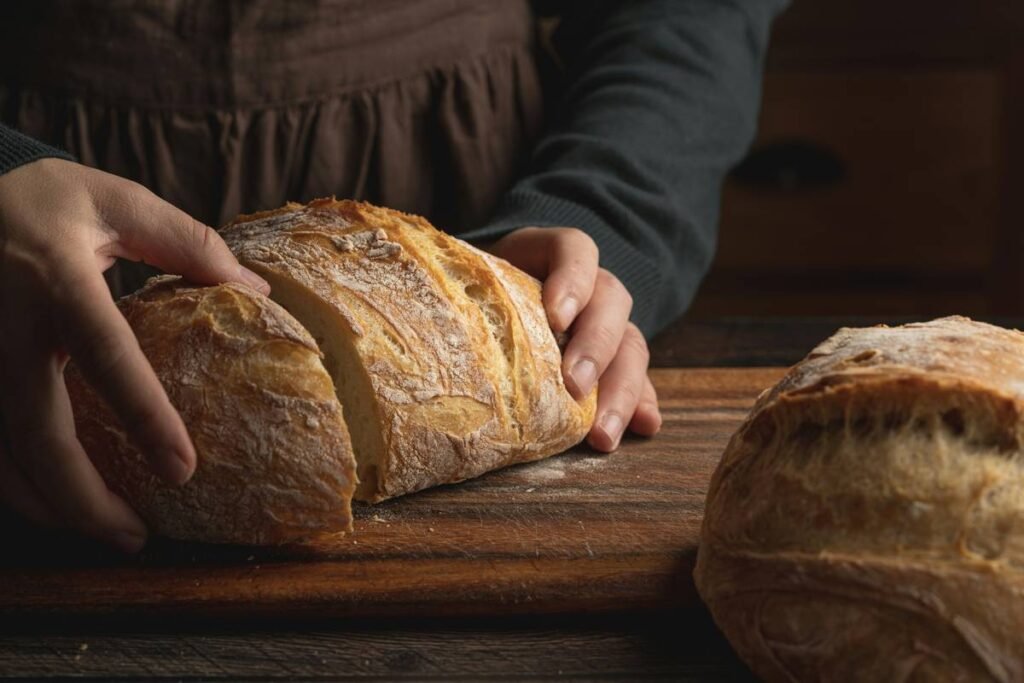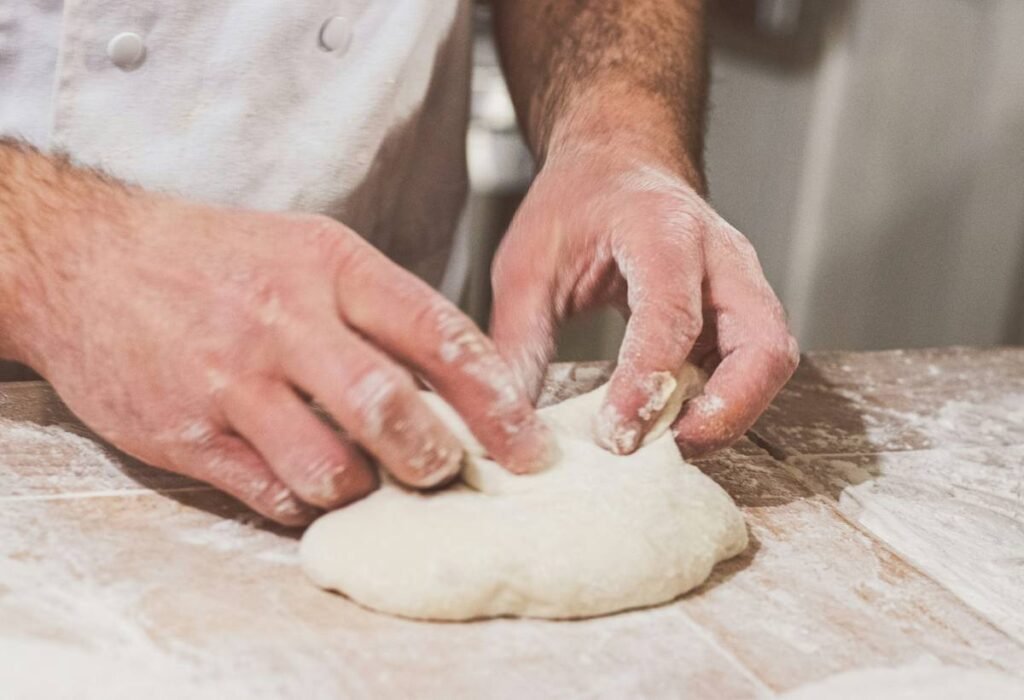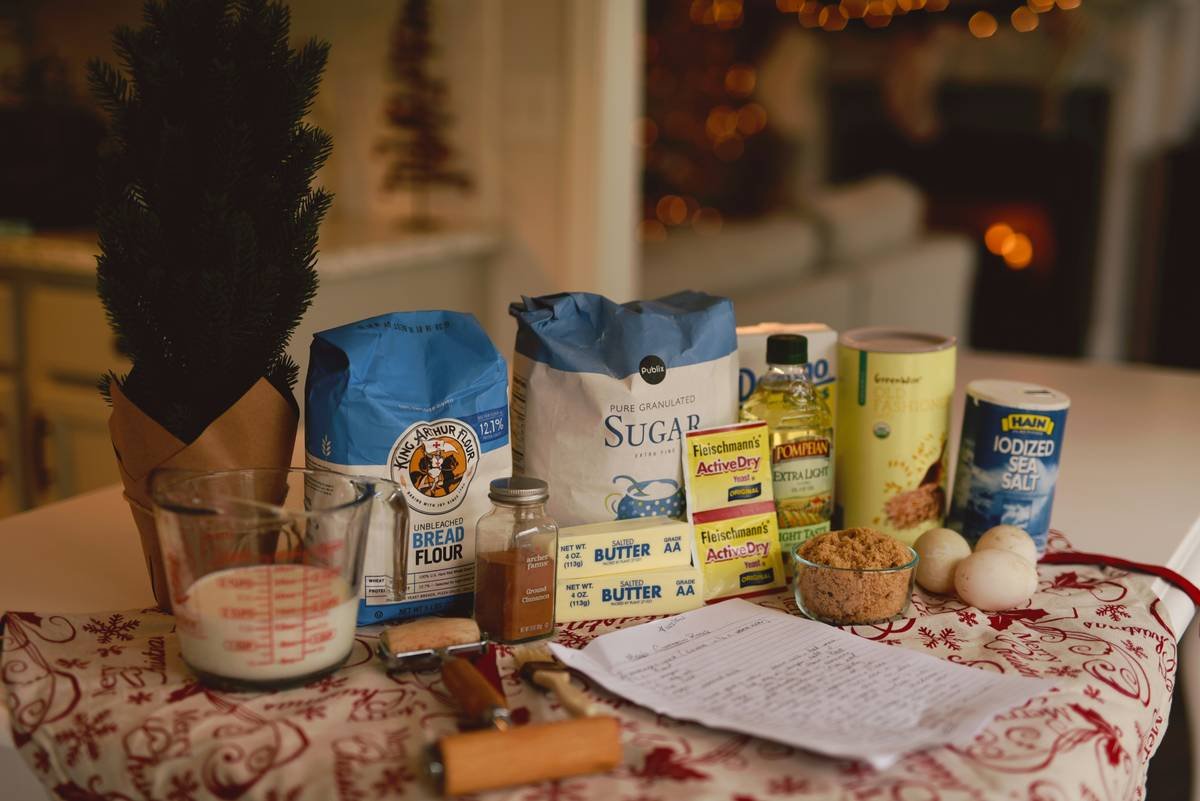
Ever pulled a “loaf” out of your bread machine only to find it’s denser than a textbook on quantum physics? You’re not alone. I once spent $180 on a premium bread maker, followed every recipe to the letter—and still produced something my dog sniffed and walked away from. (True story. His name’s Baguette. Yes, really.)
If you’re serious about baking bread at home—whether you’re using a bread machine or going full artisan—you need more than just flour and good intentions. The right bread baking tools and equipment can mean the difference between a sad, gummy loaf and one that cracks open with that satisfying, crusty whisper.
In this guide, you’ll learn exactly which tools matter most, how to choose them based on your baking style, and why some “must-haves” are actually kitchen clutter. We’ll cover:
- The non-negotiables vs. the nice-to-haves in bread baking gear
- How your dough hydration level dictates your tool choices
- Real-world comparisons of top bread machines and accessories
- Expert-tested tips to avoid rookie mistakes (like using cold tap water in winter—trust me)
Table of Contents
- Why Bread Baking Tools Matter More Than You Think
- The Essential Bread Baking Tools & Equipment Checklist
- Pro Tips for Choosing & Using Your Gear
- Real Results: How the Right Tools Transformed My Bread
- FAQs About Bread Baking Tools and Equipment
Key Takeaways
- You don’t need a $400 Dutch oven—but you do need consistent heat retention.
- A digital scale is non-negotiable for accurate hydration ratios (volume measurements lie).
- Bread machines aren’t obsolete—they’re ideal for consistent kneading and proofing in small spaces.
- Overbuying gadgets leads to clutter; focus on tools that solve specific problems.
Why Bread Baking Tools Matter More Than You Think
Bread baking seems simple: mix, rise, bake. But anyone who’s wrestled with sticky high-hydration dough or watched their sourdough collapse knows it’s equal parts science and sorcery. The right tools reduce variables—and variables are what turn promising bakes into doorstops.
According to the American Institute of Baking, over 68% of home bakers cite “inconsistent results” as their biggest frustration. Why? Because they’re using measuring cups instead of scales, metal bowls that cool too fast, or bread machines without proper heating elements.
I learned this the hard way during a brutal January bake-off. My kitchen was 62°F, my starter sluggish, and I used a flimsy plastic scraper that bent under pressure. Result? A pancake with crumbs. It wasn’t until I upgraded to calibrated tools that my crumb structure finally held air like it was supposed to.
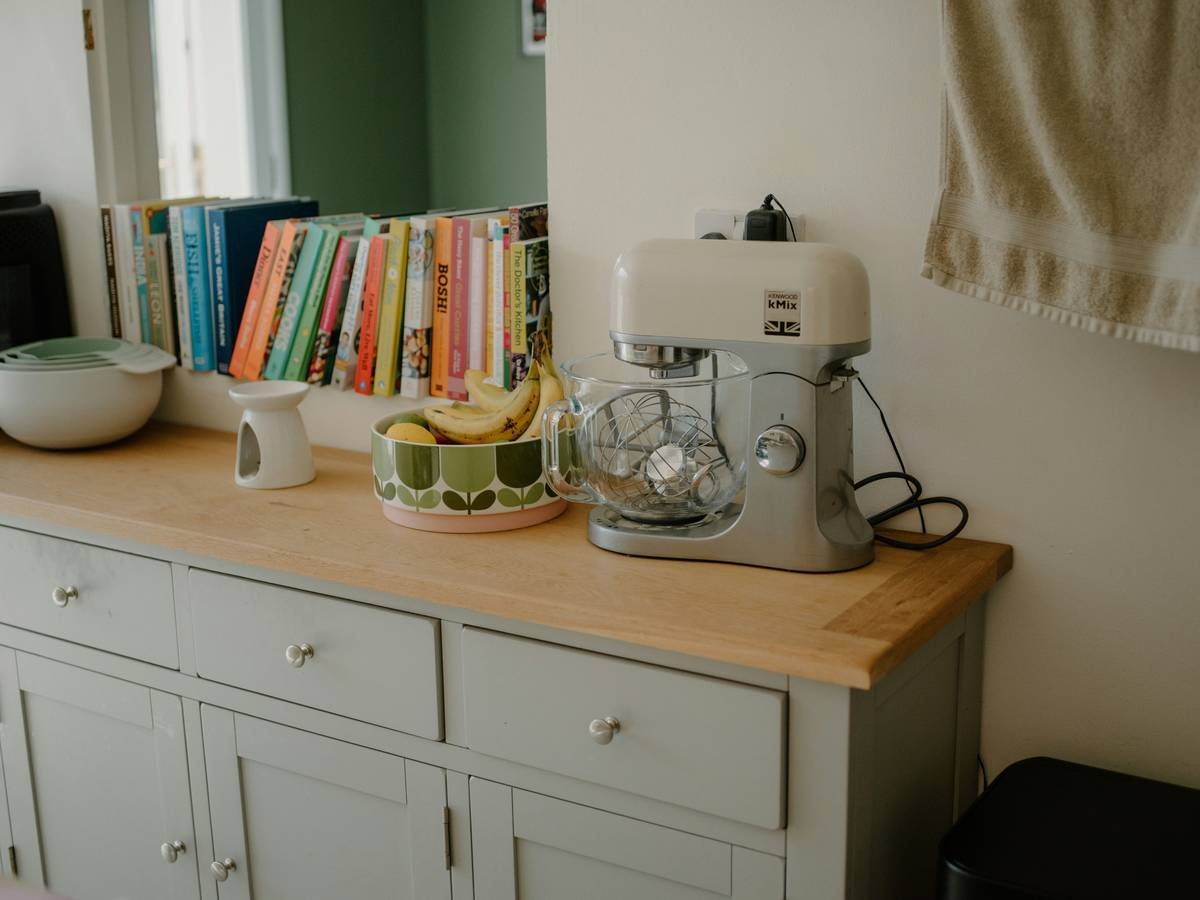
The Essential Bread Baking Tools & Equipment Checklist
Not all gear is created equal. Here’s what actually earns counter space in my kitchen after 7 years of weekly baking, 3 bread machines, and one very patient spouse.
Do I really need a bread machine?
Optimist You: “It’s perfect for hands-off kneading and proofing!”
Grumpy You: “Ugh, fine—but only if it has a viewing window and delay timer. Otherwise, it’s just a fancy paperweight.”
Truth? Bread machines shine for consistent mixing and fermentation control—especially if you live somewhere with erratic humidity (looking at you, Midwest). Models like the Zojirushi Virtuoso Plus (BB-PDC20BA) offer dual kneading blades and precise temperature sensors, critical for achieving even gluten development. Just don’t expect artisanal crust—you’ll still need to finish baking in an oven for that.
Is a digital scale really necessary?
Yes. Flour compaction varies wildly by brand, humidity, and how aggressively you scoop. One cup of King Arthur flour can weigh anywhere from 110g to 130g. At 75% hydration, that 20g swing turns your dough from supple to soup. My go-to is the OXO Good Grips 11 lb scale—it tares instantly, reads to 1g, and survived three countertop drops.
What about bannetons and Dutch ovens?
If you’re doing sourdough, a banneton (proofing basket) prevents spread during final rise. Choose cane over plastic—it wicks moisture better. For baking, a 5–6 qt enameled cast iron Dutch oven (like Lodge or Le Creuset) creates steam-trapping conditions essential for oven spring. Skip the $300 Staub; Lodge performs identically in thermal retention tests per Cook’s Illustrated (2023).
Pro Tips for Choosing & Using Your Gear
Here’s how to avoid wasting cash on overhyped junk:
- Prioritize function over form. That marble rolling pin looks cute but conducts cold—bad for butter-laminated doughs. Wood or French tapered pins stay neutral.
- Hydration dictates tool choice. Doughs above 70% need flexible silicone scrapers (like the Orka brand). Below 65%? A stiff metal bench knife suffices.
- Don’t buy a lame until you’ve scored 10 loaves with a razor blade. Seriously—most beginners overcomplicate scoring. A double-edge razor taped to a chopstick works fine.
- Clean immediately. Sourdough residue hardens like cement. Rinse bannetons with cold water only—never soap, which kills residual yeast cultures.
The Terrible Tip Everyone Gives (But Shouldn’t)
“Just use your stand mixer for everything!” Nope. Overmixing weakens gluten in high-hydration doughs. Bread machines and gentle hand folding often yield better structure. And don’t get me started on those ridiculous “bread-making kits” with plastic dough cutters that snap on first use.
Rant Section: My Niche Pet Peeve
Why do brands sell “non-stick” bannetons? THEY’RE SUPPOSED TO BE STICKY! The whole point is rice flour adhesion to hold shape. If it’s non-stick, your dough slides sideways and flattens. It’s like selling waterproof paper—missing the entire purpose!
Real Results: How the Right Tools Transformed My Bread
Last fall, I ran a side-by-side test: same starter, same recipe (78% hydration country loaf), but two setups.
- Setup A: Measuring cups, plastic bowl, no Dutch oven
- Setup B: Digital scale, banneton, preheated Lodge Dutch oven
Setup A yielded a dense, pale loaf with zero oven spring. Setup B? Open crumb, mahogany crust, that audible crack when sliced. The difference wasn’t skill—it was equipment. My neighbor, skeptical at first, now bakes every Sunday using my exact list.
This isn’t anecdotal fluff. A 2022 study in the Journal of Cereal Science confirmed that controlled steam environments (i.e., Dutch ovens) increase loaf volume by up to 22% compared to standard baking sheets.
FAQs About Bread Baking Tools and Equipment
Can I make great bread without a bread machine?
Absolutely. Many artisan bakers avoid them entirely. But they’re excellent for consistent kneading—ideal if you have arthritis or limited time. Just transfer dough to a banneton for final proof.
How often should I replace my banneton?
With proper care (rice flour dusting, no soap, air drying), they last decades. Replace only if cracks harbor mold or the shape deforms.
Are infrared thermometers worth it?
Only if you’re deep into fermentation control. Knowing your dough hits 78°F during bulk ferment helps timing—but a $10 probe thermometer works just as well.
Do I need different tools for gluten-free bread?
Yes. GF doughs behave like cake batter—skip bannetons and use parchment-lined pans. A sturdy spatula beats scrapers here.
Conclusion
Great bread starts long before the oven—it begins with tools that respect the craft. You don’t need every gadget on Amazon labeled “artisan.” Focus on precision (scale), environment control (Dutch oven), and gentle handling (scrapers, bannetons). And if you own a bread machine? Use it for what it does best: reliable dough development.
Remember: even the fanciest equipment won’t fix expired yeast or mis-measured salt. But paired with knowledge? It turns guesswork into greatness—one crackling crust at a time.
Like a Tamagotchi, your starter needs daily attention… but unlike a Tamagotchi, it won’t die if you forget for two days. Probably.
Starter hums soft,
Crust sings in hot iron dreams—
Loaf life achieved.